The return of serif logos: why this trend is back
Why are serif logos making a comeback in 2026? A practical analysis of the trend, the right use cases, and the mistakes to avoid.
The return of serif logos: why this trend is back
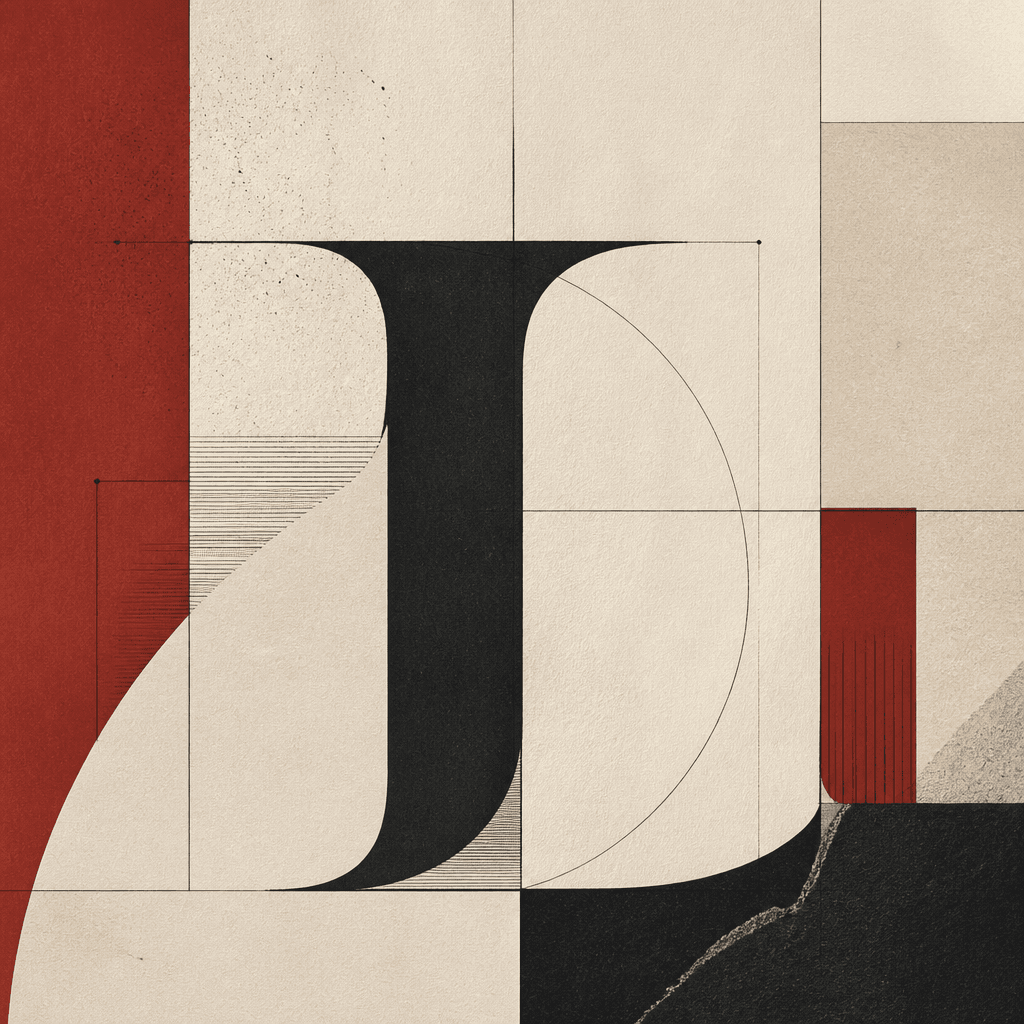
Serif logos are clearly back in branding conversations. After years dominated by ultra-clean sans serifs, flat digital identities, and neutral wordmarks, many brands are looking for more character, warmth, and distinction. Serif typography is no longer seen as old-fashioned by default. In 2026, it often signals personality, editorial depth, craftsmanship, or premium restraint.
This does not mean every business should switch to a serif logo. A trend is only useful when it supports a brand strategy. The real question is simple: does a serif help your brand feel more memorable and more credible? Or does it create the wrong signals? That depends on the market, the product, the audience, and the way the typography is designed.
Recent trend roundups from Monotype, Envato, Shopify, VistaPrint, and ManyPixels all point to the same broader movement: branding is moving away from total uniformity and back toward expressive typography. In other words, the comeback of the serif is part of a larger shift toward stronger visual identity.
What a serif logo communicates
Serif typefaces can suggest elegance, trust, expertise, culture, heritage, or editorial refinement. But not all serifs say the same thing. Some feel literary, some luxurious, some sharp and modern, and some soft and romantic. That range is exactly why the category is interesting again.
Why serif logos are back
First, many brands want to escape the sameness created by years of minimalist sans serif rebrands. Second, audiences respond to more human and more distinctive identities. Third, modern branding systems are mature enough to combine a characterful wordmark with clean digital interfaces. A serif logo can now carry personality while the wider UI remains functional and simple.
There is also a clear editorial and luxury influence. In many categories, brands want to feel thoughtful rather than loud, premium rather than flashy, and crafted rather than generic. A well-chosen serif can do that very efficiently.
Where this trend works best
Serif logos often work especially well in beauty, wellness, hospitality, lifestyle, premium food, architecture, consulting, publishing, and culture-led businesses. They can also work for digital brands when the goal is to feel less templated and more story-driven. For more branding inspiration, readers can also browse our English blog archive or start a project directly via our logo brief form.
What to watch out for
The biggest issues are readability, over-stylization, and mismatch. Very thin serifs can break down at small sizes. Some serif choices can feel too formal or too nostalgic for a fast-moving digital product. And a generic “luxury serif” can quickly look like imitation rather than strategy.
How to use a serif in a modern way
The best modern serif logos are not just about picking a pretty font. They rely on careful spacing, strong hierarchy, responsive versions, and a clear relationship with the rest of the identity system. Often the logo brings warmth and personality, while the website, product, or packaging provides simplicity and structure.
If your positioning is premium, expert, editorial, artisanal, or culture-led, a serif may be a strong direction. If your positioning is purely functional, ultra-technical, or based on speed and utility, a serif must be used more carefully.
FAQ
Are serif logos only for luxury brands?
No. They can also work for expert services, editorial businesses, cultural projects, or modern artisan brands.
Can serif logos work online?
Yes, as long as the identity includes responsive variants and good small-size readability.
How do I know if a serif fits my brand?
Ask whether your brand needs to feel more refined, more expressive, more credible, or more story-driven. If yes, serif typography may help.