The Starbucks logo: from medieval siren to green circle
How Starbucks evolved its logo from a detailed 1971 emblem into a globally recognized green icon.
The Starbucks logo: from medieval siren to green circle
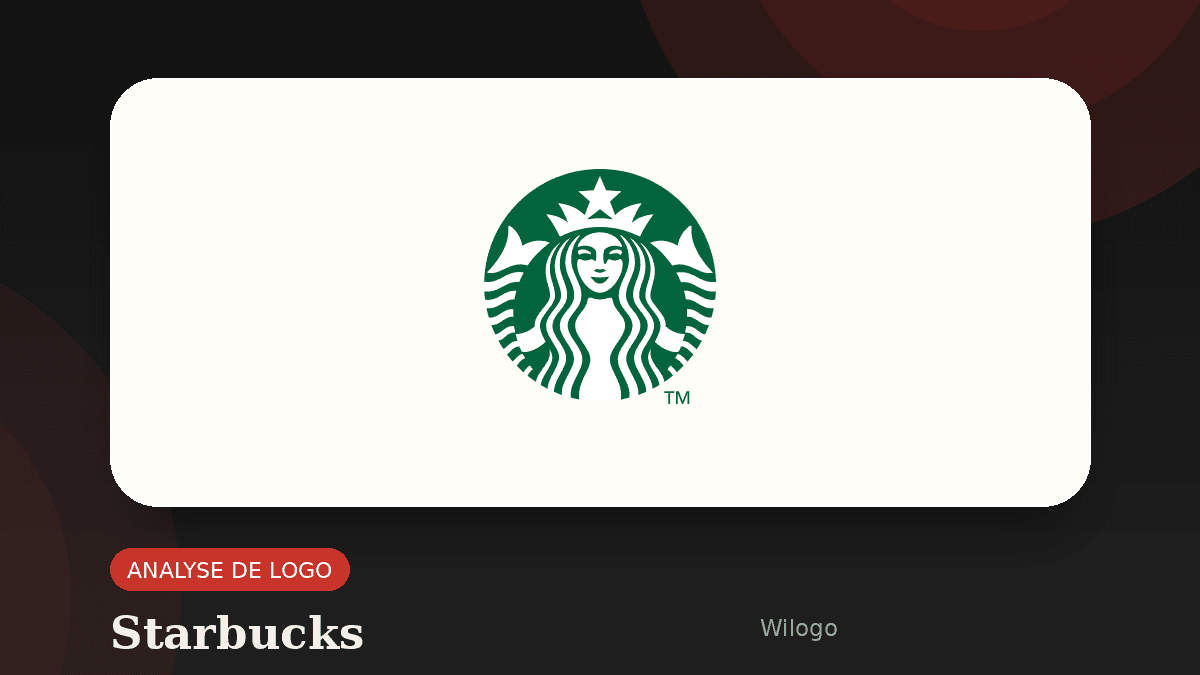
The Starbucks logo is one of the strongest long-term branding case studies. Since 1971, the company kept the core symbol (the twin-tailed siren) while progressively simplifying shapes, refining proportions, and improving digital usability. This is why the logo remains instantly recognizable in storefronts, packaging, mobile apps, and social avatars.
Real Starbucks logo source
To avoid an invented or approximate visual, this article now uses the real logo artwork from the source below.

Source: Wikipedia
The original 1971 version used a brown palette and dense illustration details. In 1987, Starbucks shifted to green, a strategic move that increased distinctiveness and brand memorability. In 1992, the mark was reframed around the siren’s face, reducing visual noise and strengthening icon behavior at smaller sizes. In 2011, Starbucks removed the wordmark and kept only the symbol, signaling that brand equity had reached a level where text was no longer required for recognition.
For founders and small businesses, the lesson is not to copy Starbucks aesthetics, but to apply the method: pick a meaningful concept, build consistency over time, simplify when needed, and test every logo version in real-world contexts (favicon, app icon, small social profile, monochrome print).
If you want to apply these principles to your own visual identity, start by defining your positioning, audience, and tone. Then iterate with clear constraints: readability, differentiation, and scalability. A logo succeeds when it stays clear and memorable under pressure.