Jaguar 2024: the most polarizing rebrand of the decade
Jaguar did not just update a logo in 2024. It reset its luxury EV positioning with a provocative visual identity.
Rebranding news
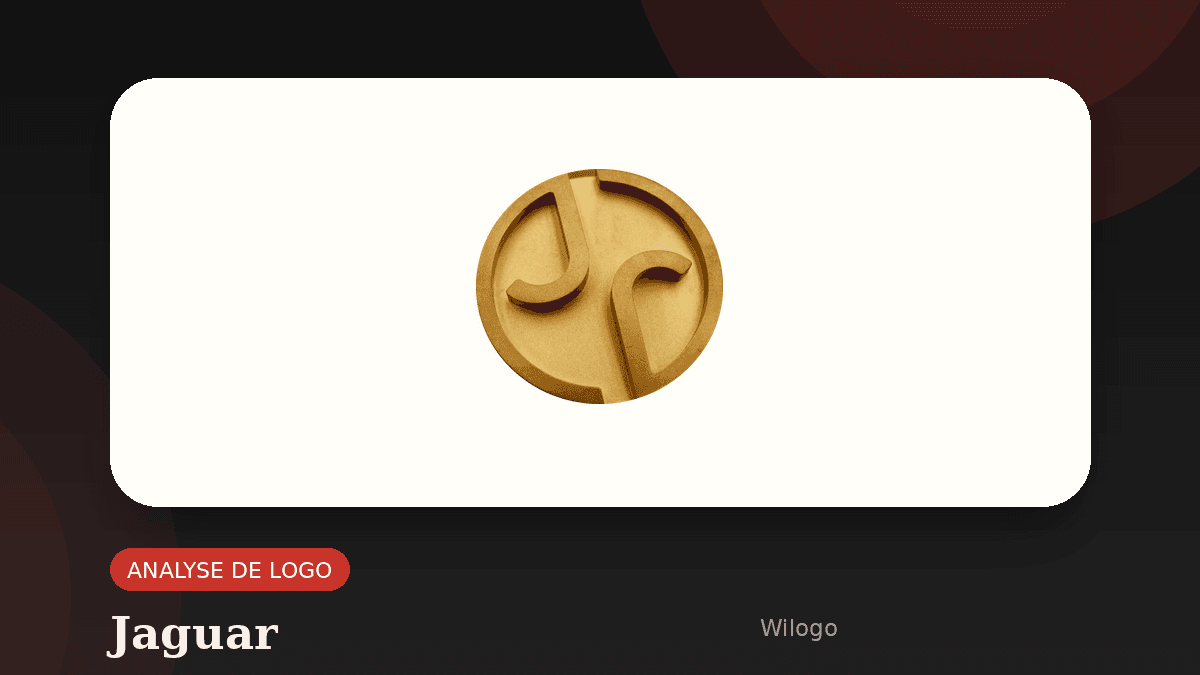
Real Jaguar logo source
To avoid an invented or approximate visual, this article now uses the real logo artwork from the source below.

Source: Logos-world
Jaguar 2024: the most polarizing rebrand of the decade
In late 2024, Jaguar did not just update a logo. It attempted a full symbolic reset: a new wordmark, vivid colours, the “Copy Nothing” idea, a dramatic Type 00 concept and a launch campaign closer to fashion and contemporary art than to a traditional car reveal.

A reset, not a refresh
Most logo redesigns are incremental. They simplify shapes, improve digital readability or clean up a visual system that has become inconsistent. Jaguar chose a different route. Its November 2024 announcement described a new era built around “Copy Nothing”, a line connected to the spirit of founder Sir William Lyons. The language was not about small optimisation; it was about transformation.
That matters because Jaguar is not a blank brand. It carries decades of associations: British luxury, motion, elegance, performance and the famous leaper. When a brand with that level of heritage changes its visual voice, people do not judge only the pixels. They judge what they think the company is keeping, and what they fear it is leaving behind.
The business context also explains the scale of the move. Jaguar wants to return as a luxury electric brand with fewer, more distinctive cars. A conventional facelift would probably not have been enough to signal that shift. The rebrand was designed to make people stop, react and reconsider the brand from scratch.
What changed in the Jaguar identity
The new system includes a geometric wordmark mixing upper and lowercase forms, a “device mark”, a linear “strikethrough” graphic, exuberant primary colours and an editorial image style. Jaguar presented the system as a complete brand world rather than a single badge.
The Type 00 concept, unveiled at Miami Art Week, gave that world a physical form: long proportions, dramatic colour, gallery-like staging and a clear refusal to look ordinary. From a design strategy perspective, the logic is understandable. Luxury brands compete by creating desire and cultural meaning, not only by being recognised in a split second.
Still, the visual jump was huge. Compare it with Pepsi's long history of rebranding: Pepsi changes often, but it keeps obvious continuity points. Jaguar deliberately reduced that comfort. The result was attention, but also confusion.
Why the backlash was so loud
The first trigger was the launch campaign. Many people discovered the new identity through a colourful video with models, abstract sets and almost no cars. To design audiences, this signalled a lifestyle and art direction. To long-time car fans, it felt disconnected from the product.
The second trigger was typography. The new wordmark is softer and more fashion-oriented than the sharp, energetic Jaguar many people had in mind. A logo is never neutral: it stores memories. If the new form does not visibly connect with those memories, the change feels like a break.
The third trigger was social media. Rebrands no longer live in a controlled presentation deck. They are screenshotted, mocked, defended, politicised and remixed within hours. Wilogo's guide to adapting a visual identity to social platforms makes the same point: a brand system must survive context collapse.
Finally, Jaguar showed attitude before showing production cars. That can build desire in luxury, but it also leaves a gap. Online audiences quickly fill that gap with their own interpretations.
Lessons for brand owners
The Jaguar case is not simply a lesson in what not to do. It is a lesson in the cost of radical repositioning. If you want a different audience, you may have to disappoint part of the old one. But the bridge must be clear: what remains emotionally true, even when the design language changes?
A good logo redesign is a translation exercise. It translates heritage into contemporary usage. Jaguar chose a very free translation. That is why the case is fascinating and risky at the same time.
For smaller brands, the practical takeaway is simple: define the strategy before the style. Who are you trying to attract? Which codes are essential? Which ones are only habits? Where will the logo appear most often? Answer those questions before choosing typography or colours.
If you are preparing a new identity, start with a precise brief: audience, tone, competitors, supports and constraints. You can create a clear logo brief on Wilogo and give designers or AI agents a stronger starting point.
Sources
FAQ
Why was Jaguar's 2024 rebrand controversial?
Because it changed far more than a logo. It shifted the brand's visual language, tone and cultural positioning at once.
Did Jaguar abandon its heritage?
Jaguar says the opposite: it frames the move as a return to “Copy Nothing”. The debate is about whether the new design makes that continuity visible enough.
Is the rebrand a failure?
It is too early to know. The rebrand created massive attention; its success depends on whether future cars and customer experience make the strategy credible.